
Echoes of the Ostfront
Personal stories from the Eastern Front, arranged by the starting year of each principal episode. Some accounts continue into later years.
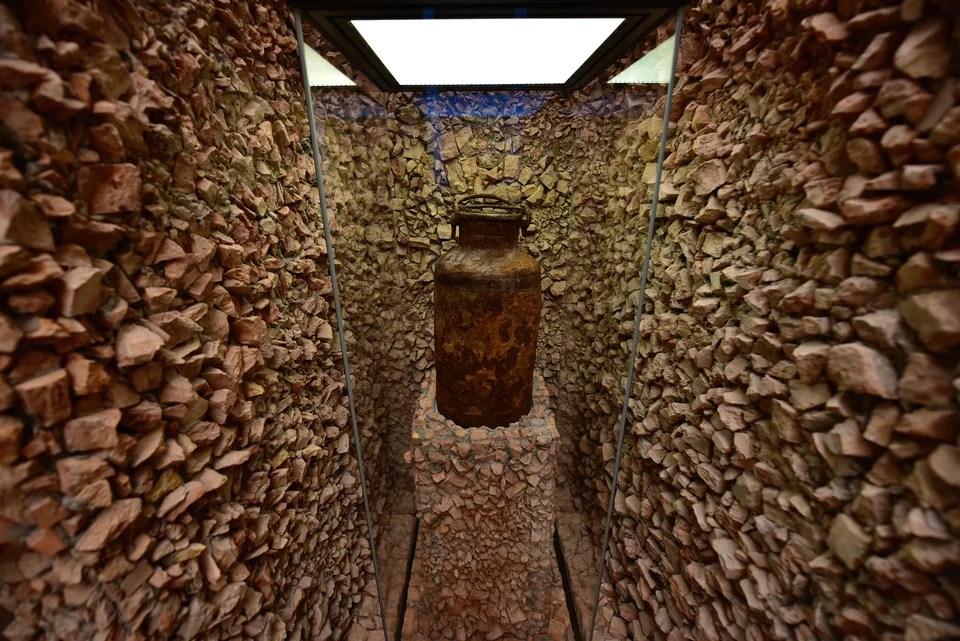
Image credit
Adrian Grycuk / Wikimedia Commons, CC BY-SA 3.0 PL · Source · CC BY-SA 3.0 PL · Resized and converted to WebP; embedded metadata removed. No crop. These derivatives remain available under CC BY-SA 3.0 PL.

1939
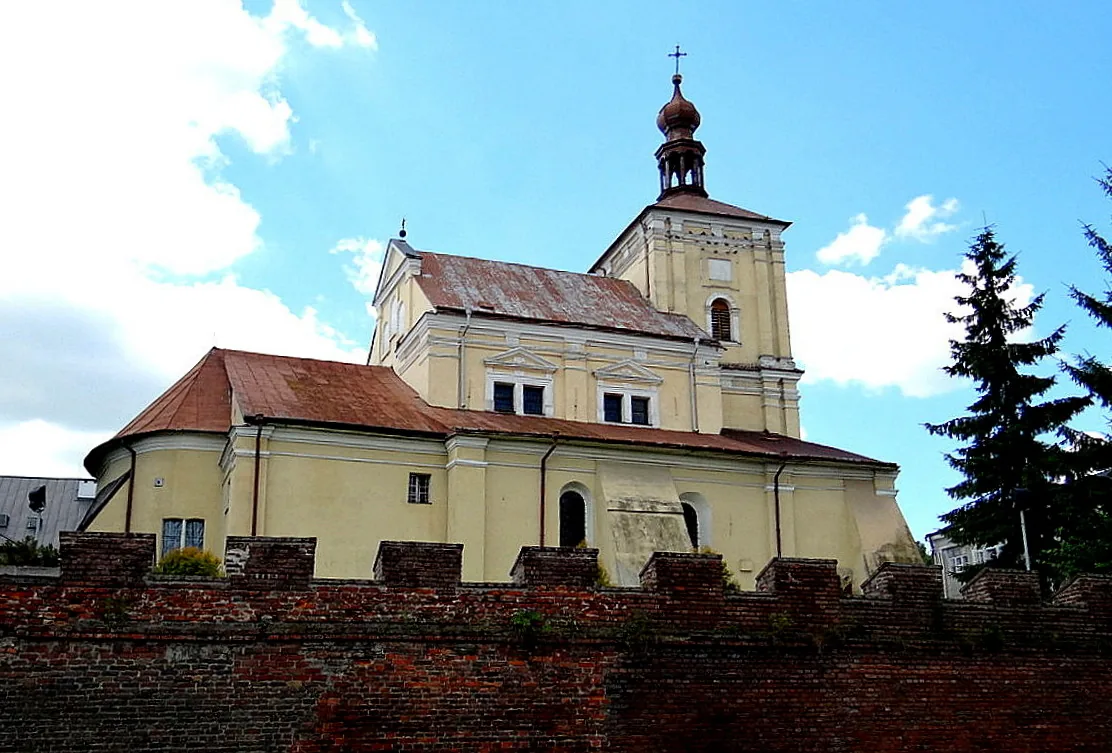
Image credit
Gorofil · Wikimedia Commons · Interwar hospital photograph (KARTA) · Source · CC BY-SA 4.0 · Resized and converted to WebP. Embedded metadata removed. Web derivatives retain the same licence.
September–October 1939
The Hospital Beyond the Front
Physician Zygmunt Klukowski watches the rules of German occupation reach the wards of a hospital and the streets of Szczebrzeszyn.
Image credit
Adrian Grycuk / Wikimedia Commons, CC BY-SA 3.0 PL · Source · CC BY-SA 3.0 PL · Resized and converted to WebP; embedded metadata removed. No crop. These derivatives remain available under CC BY-SA 3.0 PL.
1939–1950
The Archive They Buried
Emanuel Ringelblum and Oneg Shabbat gathered the records of Jewish life under German occupation and hid them for future readers.
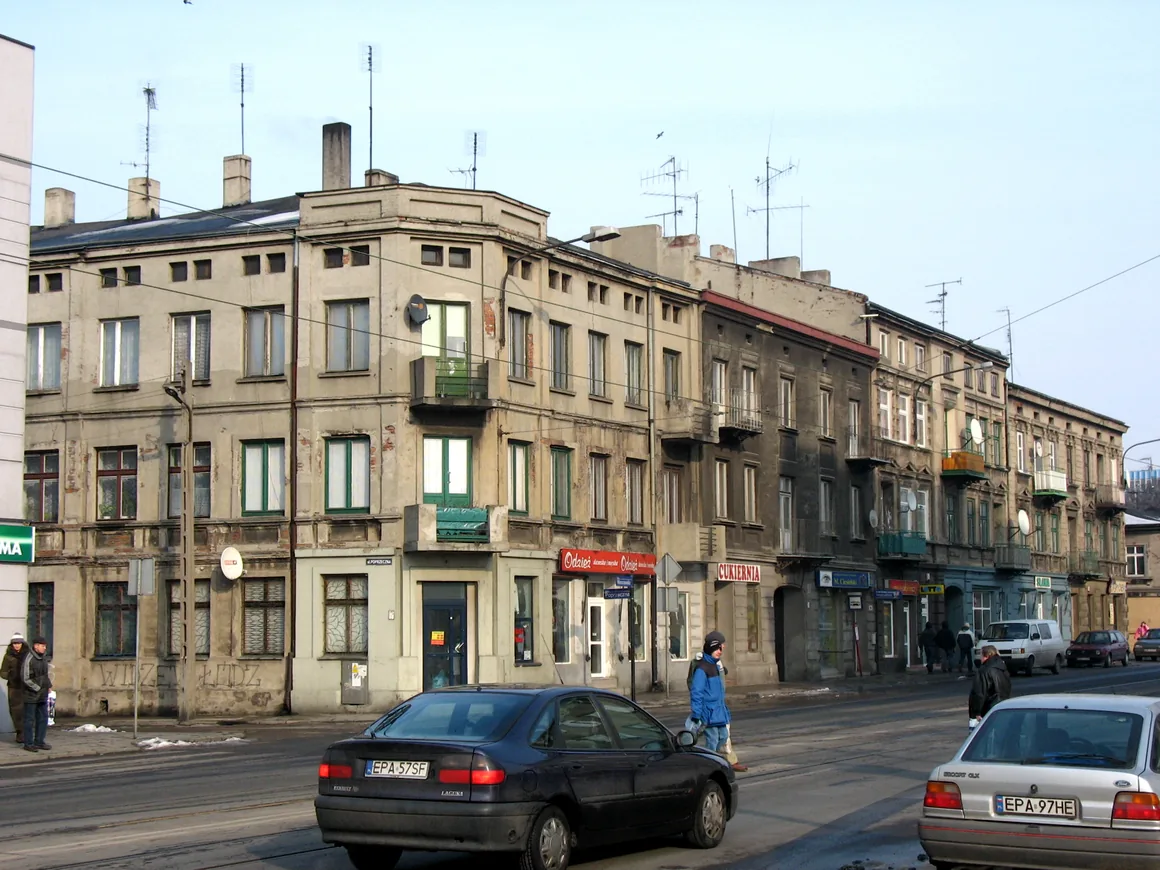
Image credit
Mariusz Rzepkowski · Wikimedia Commons · Pabianice – Stare Miasto, ul. Warszawska · Source · CC BY-SA 2.5 · Resized and converted to WebP. Embedded metadata removed. Web derivatives retain the same licence.
October 1939–1944
The Request at the Camp
Zofia Cieciora asks a German serviceman to help free her husband, beginning a relationship that continues in occupied Warsaw.


1940
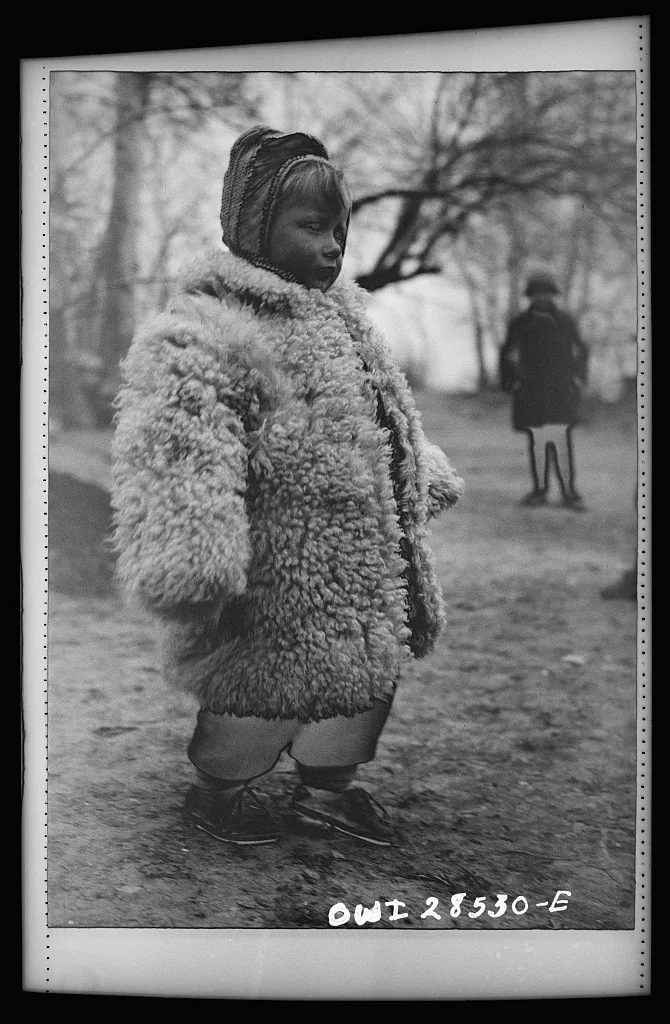
Image credit
Nick Parrino · Library of Congress, FSA/OWI photograph collection · LC-DIG-fsa-8d29643 · Wikimedia rendition · Source · Public domain in the U.S. · U.S. Office of War Information photograph · Resized and converted to WebP. Embedded metadata removed.
February 10, 1940–1942
Hair Frozen to the Wagon
Ten-year-old Leokadia Kosińska and her family are deported from eastern Poland to the Altai, where the work of keeping one another alive continues.
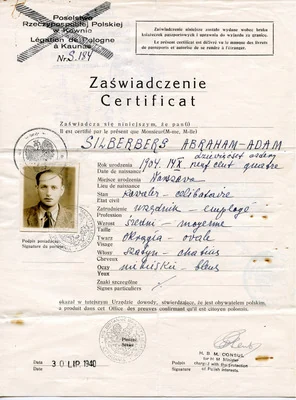
Image credit
Polish Interests Section, British Legation in Kaunas · Bulmash Family Holocaust Collection, Kenyon College · 2014.1.473 · Source · Public Domain Mark 1.0 · collection rights record · Resized and converted to WebP. Embedded metadata removed.
June–August 1940
The Missing Permission
Pessla Lewin and Nathan Gutwirth seek documents that could help Jewish refugees leave Soviet-occupied Lithuania.

1941
Image credit
Ask wiki · Wikimedia Commons · Source · CC BY-SA 4.0 · Resized and converted to WebP. Embedded metadata removed. Web derivatives retain the same licence.
1941–1944
The Children She Went Back For
After German perpetrators murder her family, Alfreda Markowska searches for surviving children and shelters them in occupied Poland.
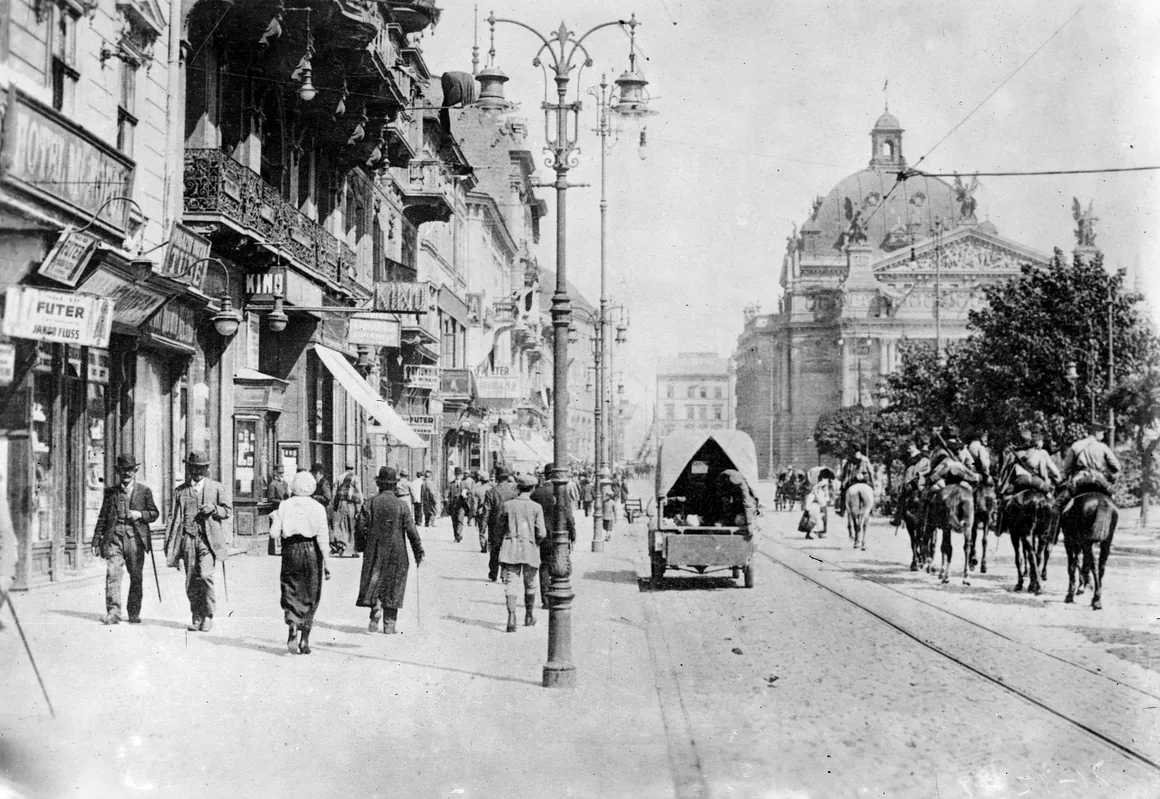
Image credit
George Grantham Bain Collection · Library of Congress, Prints and Photographs Division · LC-DIG-ggbain-22020 · Library of Congress digital ID · Source · No known copyright restrictions · Library of Congress Bain Collection · Resized and converted to WebP. Embedded metadata removed.
July 1941
Waiting for Trude’s Letter
In occupied Galicia, SS man Felix Landau records his longing for Gertrude and his participation in executions on the same pages.
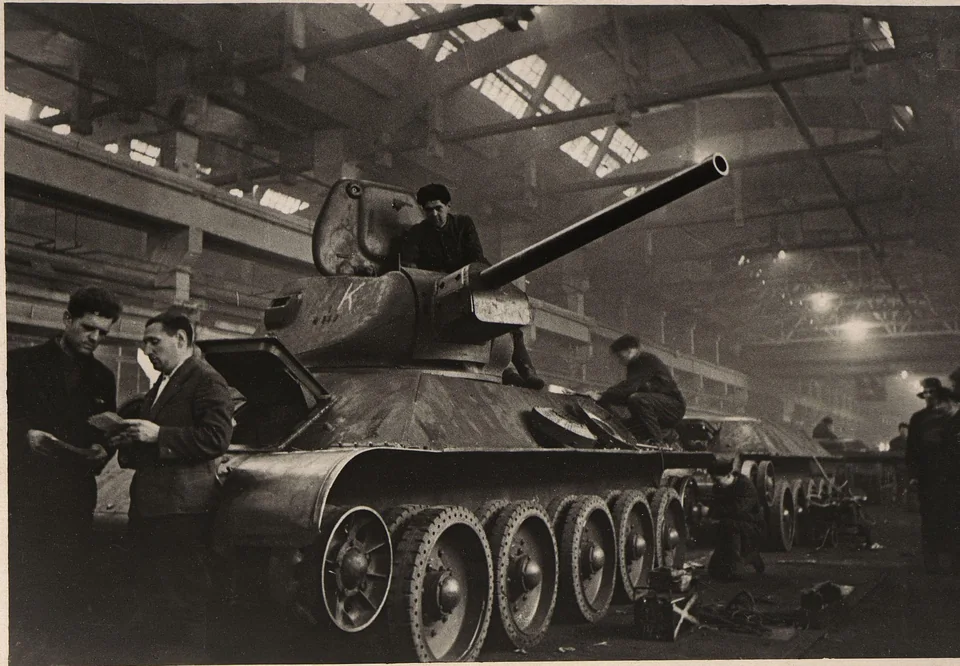
Image credit
Jean Berland / TASS · State Historical Museum, GIM 115774/247 · Source · Public domain in Russia and the U.S. — TASS photo report · Resized and converted to WebP. Embedded metadata removed.
September 1941–1942
Moving the Factory
Workers moved Kharkov’s No. 183 tank factory to Nizhny Tagil, then rebuilt production amid shortages of food and shelter.
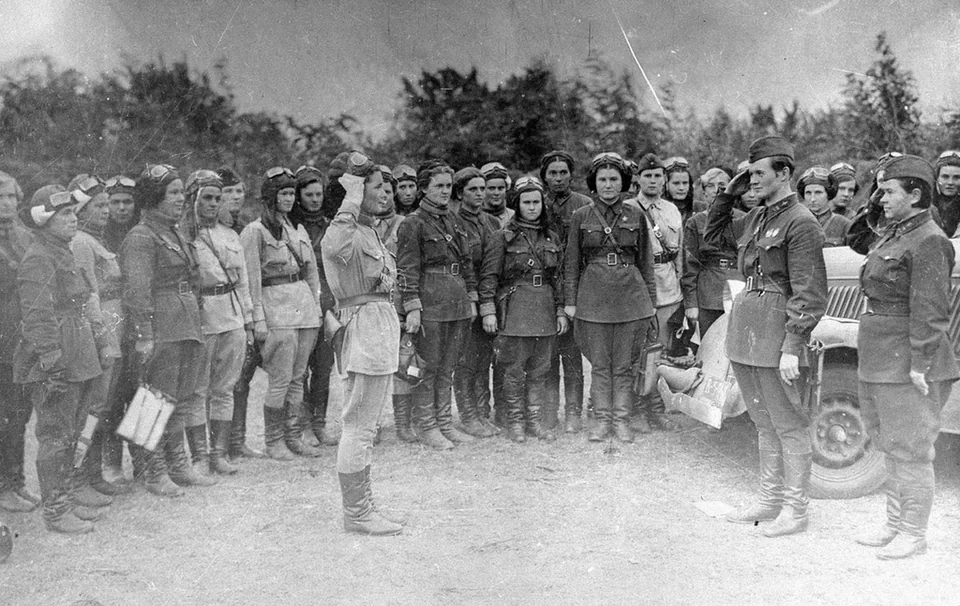
Image credit
Yevgeny Khaldei / TASS · Russia in Photo, 181388/9 · Source · Public domain in Russia and the U.S. — TASS photo report · Resized and converted to WebP. Embedded metadata removed.
October 1941 and after
Behind the “Night Witches”
Letters, training and the work between sorties reveal the women who kept the 588th Night Bomber Regiment flying.
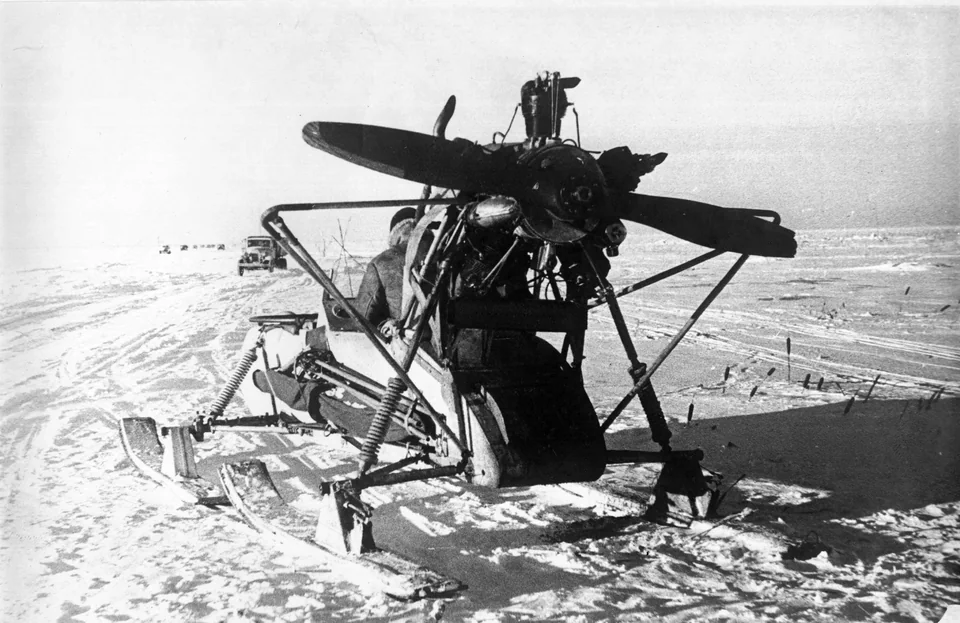
Image credit
Boris Losin / TASS · Source · Public domain in Russia and the U.S. — TASS photo report · Resized and converted to WebP. Embedded metadata removed.
November 1941–April 1942
Bread Across the Ice
Drivers, loading crews and hungry families depended on the precarious winter route across Lake Ladoga.
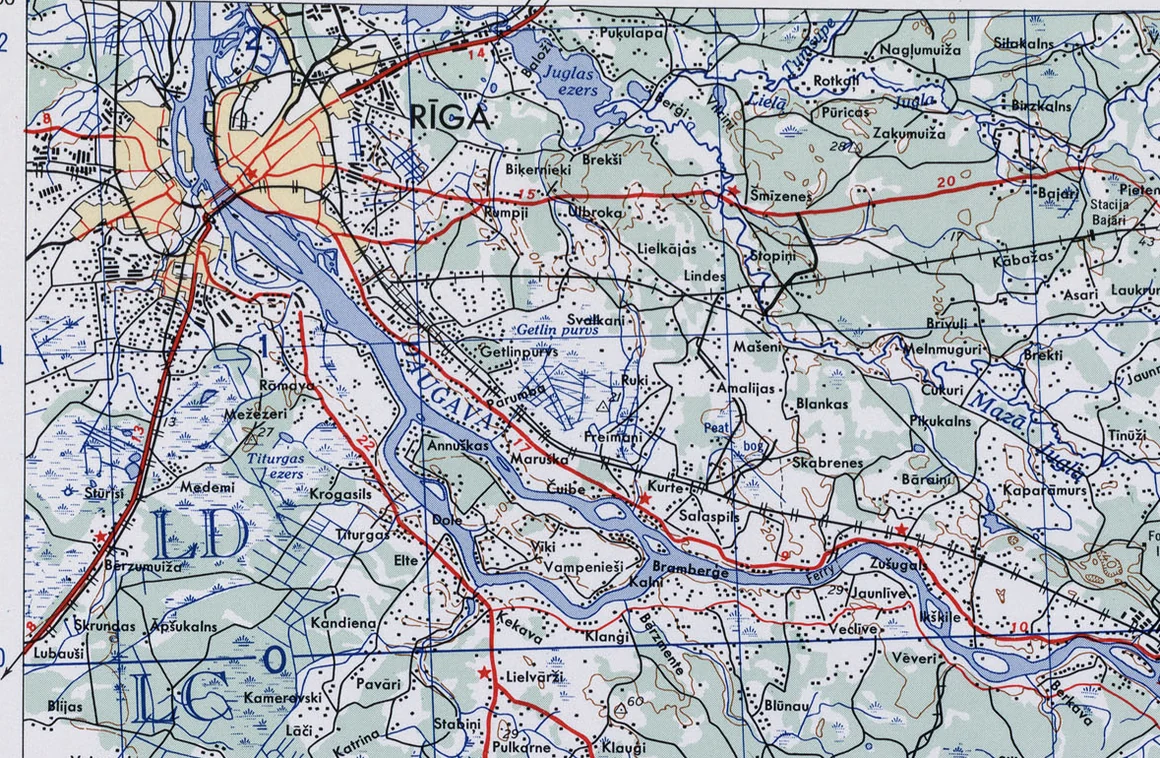
Image credit
U.S. Army Map Service · Eastern Europe topographic series N501 · Sheet NO 35-10, Riga · Source · Public domain in the U.S. · U.S. Army map · Cropped to the published detail. Resized and converted to WebP. Embedded metadata removed.
December 1941–1944
After the Pile of Shoes
Frida Michelson survives the Rumbula massacre and spends nearly three years finding work, food and shelter in occupied Latvia.


1942
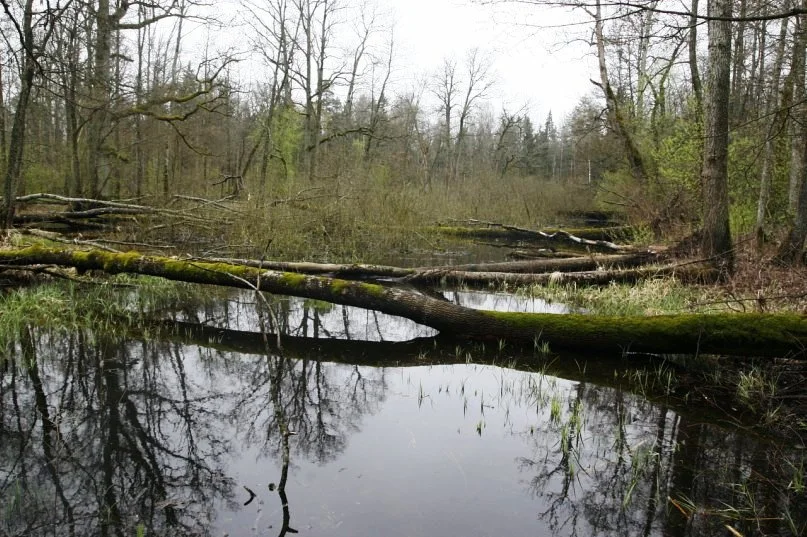
Image credit
Hanna Sidarovich · Wikimedia Commons · Source · Public domain dedication by copyright holder · Resized and converted to WebP; embedded metadata removed. No crop or enlargement.
1942–1944
A Community in the Forest
The Bielski partisans made room for children, elderly people and families, turning refuge into the daily work of keeping a community alive.
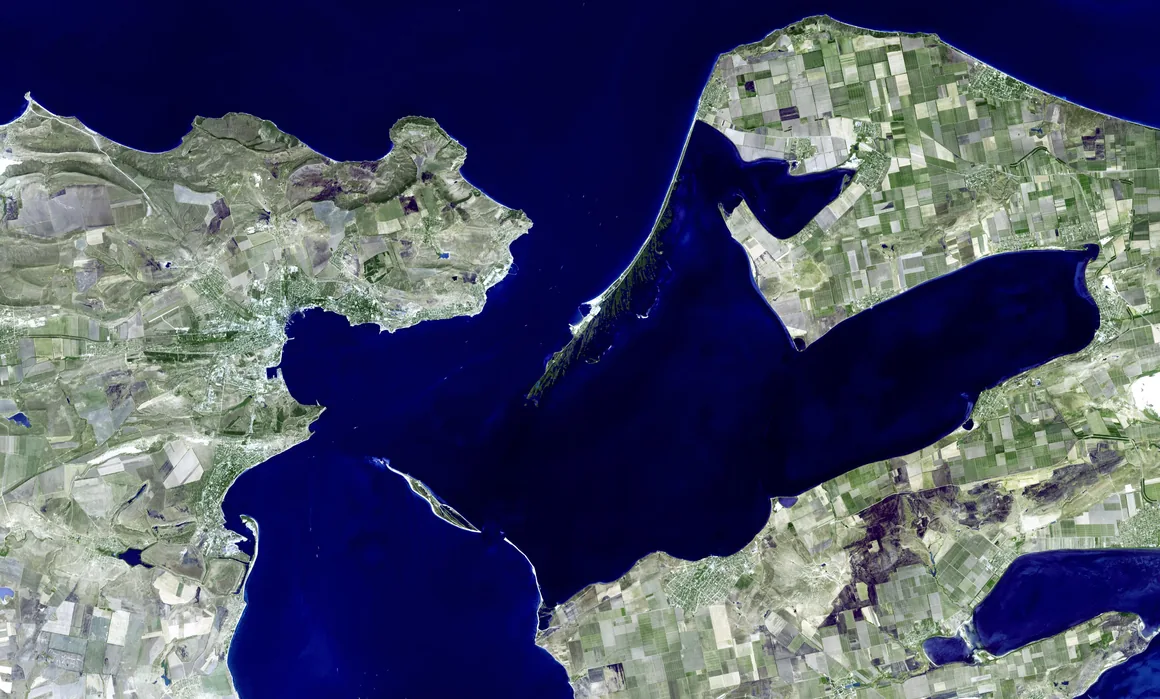
Image credit
NASA/GSFC/METI/ERSDAC/JAROS, and U.S./Japan ASTER Science Team · NASA Science Photojournal · PIA12487 · Source · NASA editorial image use policy · Resized and converted to WebP. Embedded metadata removed.
January 1942
Before the Darkened Sky
Dmitri Baltermants’s photographs show people searching among the dead at Kerch and trace the making of the later print known as Grief.
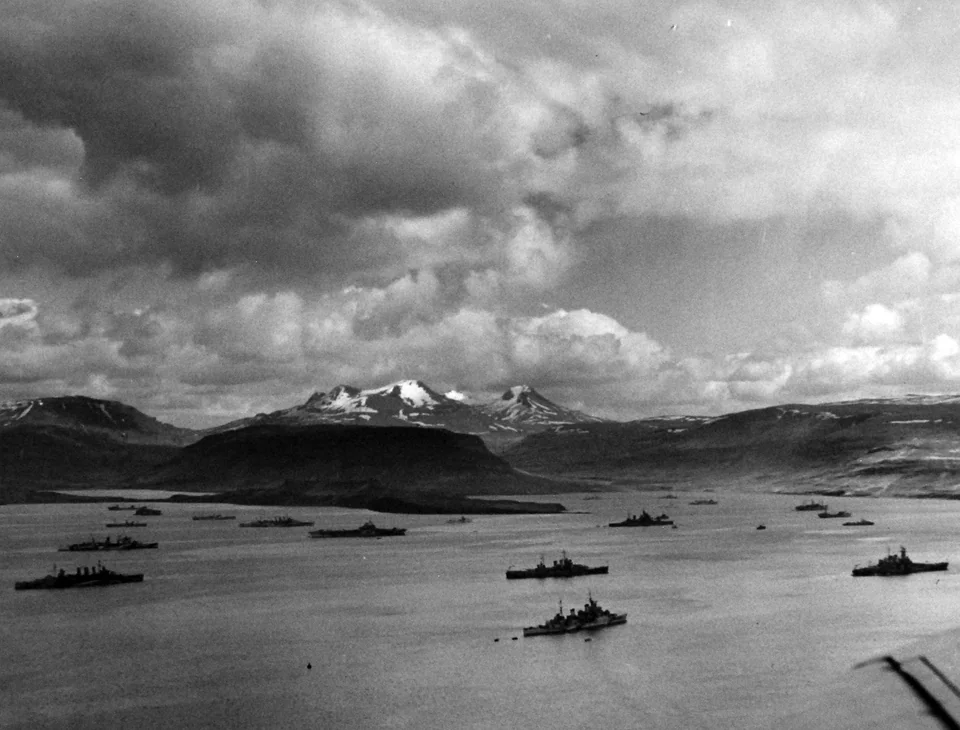
Image credit
U.S. Navy / National Museum of the U.S. Navy, 80-G-24831 · Source · Public domain — official U.S. Navy photograph · Resized and converted to WebP; embedded metadata removed. No crop.
June 27, 1942–July 24, 1942
Convoy Is to Scatter
An Admiralty order scattered an Arctic convoy. The men aboard its merchant ships faced the consequences.
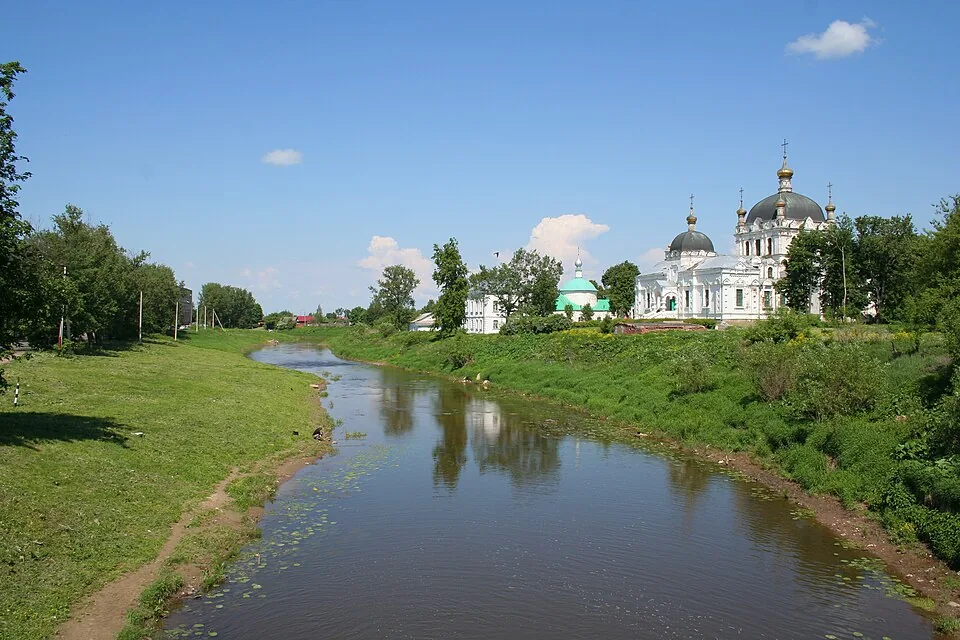
Image credit
A.Savin, Wikipedia · Wikimedia Commons · Gagarin town – Gzhat River 01 · Source · CC BY-SA 3.0 · Resized and converted to WebP. Embedded metadata removed. Web derivatives retain the same licence.
August–November 1942
Speaking the Enemy’s Language
Russian-born Alexander Schmorell writes home from a German medical posting near Gzhatsk, where his language draws him into conversations across the occupation.
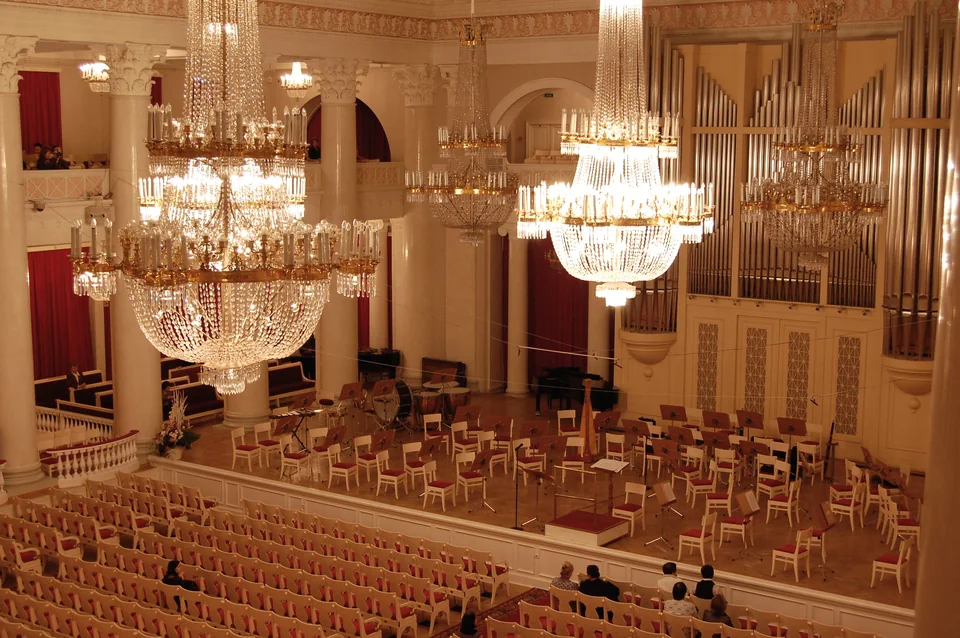
Image credit
Ingvar-fed / Wikimedia Commons · Source · CC BY-SA 3.0 · Resized and converted to WebP. Embedded metadata removed. This version is available under the same licence.
August 9, 1942
Music Under Siege
Karl Eliasberg and the surviving musicians of Leningrad rebuilt an orchestra to perform Shostakovich’s Seventh Symphony under siege.
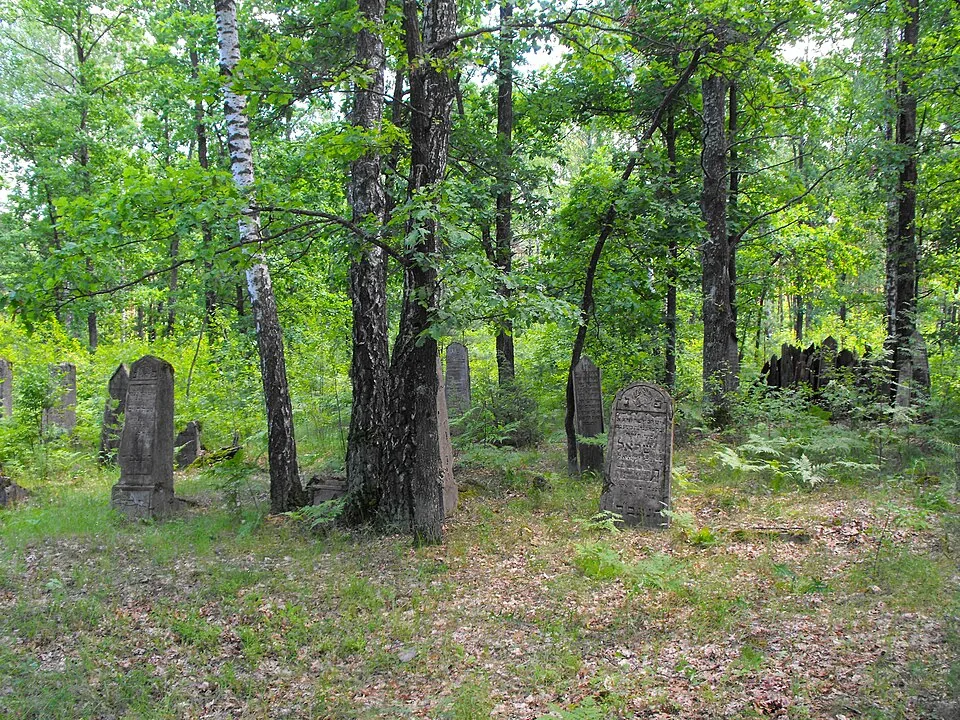
Image credit
Vadim Akopyan · Wikimedia Commons · Source · CC0 1.0 Universal · Resized and converted to WebP. Embedded metadata removed.
August 1942–July 1944
The Camera Under the Blankets
Faye Schulman preserves photographs of a massacre, then uses her skills as a nurse and photographer in a Soviet partisan detachment.
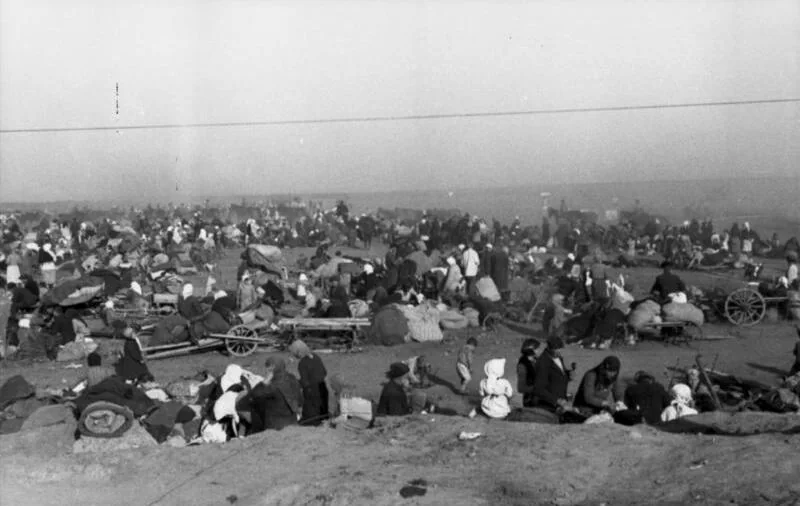
Image credit
Ollig / Bundesarchiv, Bild 101I-617-2574-03 · Source · CC BY-SA 3.0 DE · The Commons rendition incorporates a 5% vertical crop by Smasongarrison. Resized and converted to WebP; embedded metadata removed. This derivative remains available under CC BY-SA 3.0 DE.
August 1942–February 1943, with the aftermath
The Civilians Who Remained
Four documented witnesses reveal the decisions about shelter, food, evacuation and family that shaped civilian survival in Stalingrad.
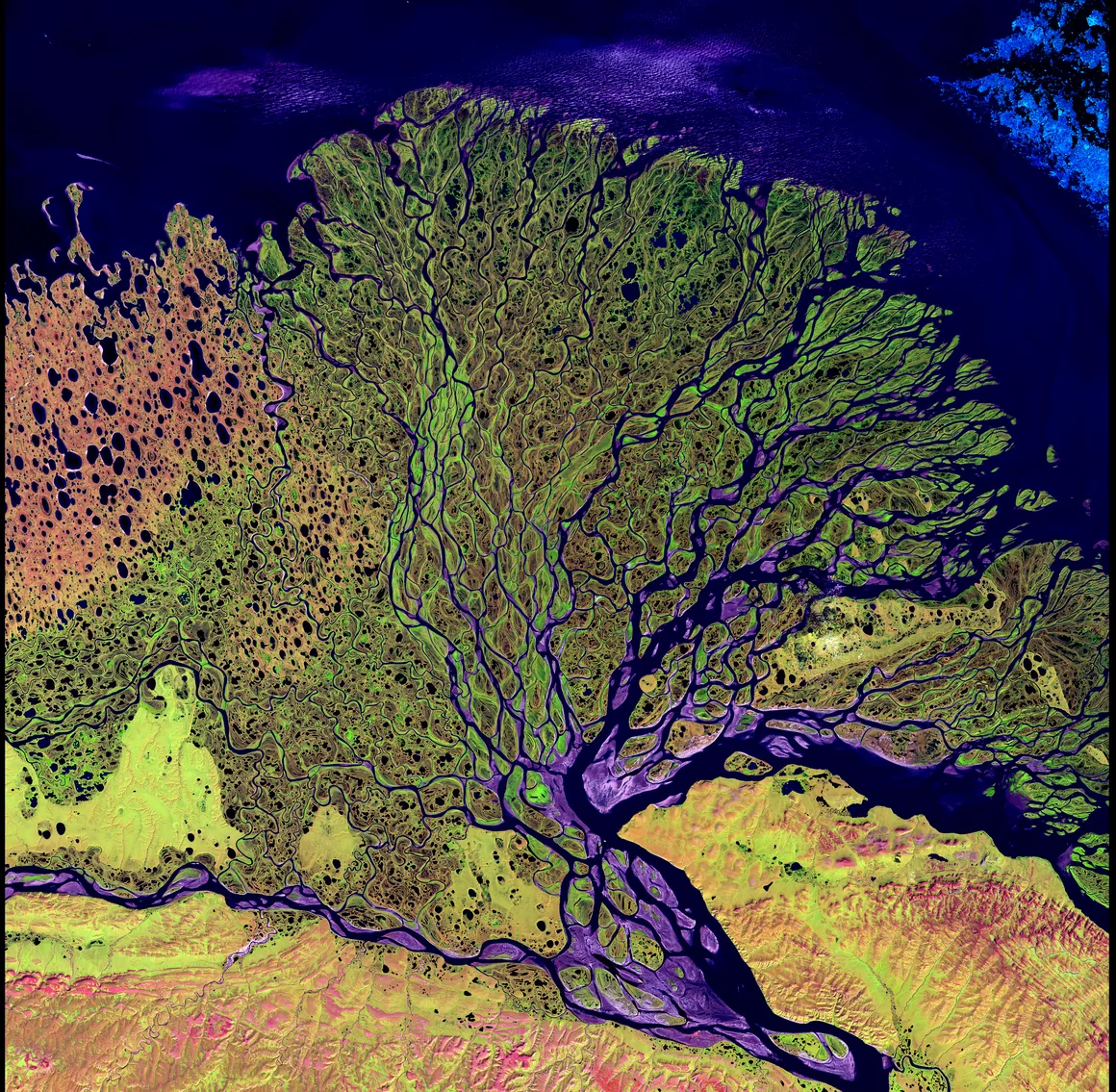
Image credit
U.S. Geological Survey, EROS Center · Earth as Art 1 · Landsat 7, Lena Delta · Source · Public domain · USGS record · Cropped to the published detail. Resized and converted to WebP. Embedded metadata removed.
Late 1942–1943
A Roof Before Winter
After being put ashore in the Lena Delta, Dalia Grinkevičiūtė helps build shelter for her family before the Arctic winter.
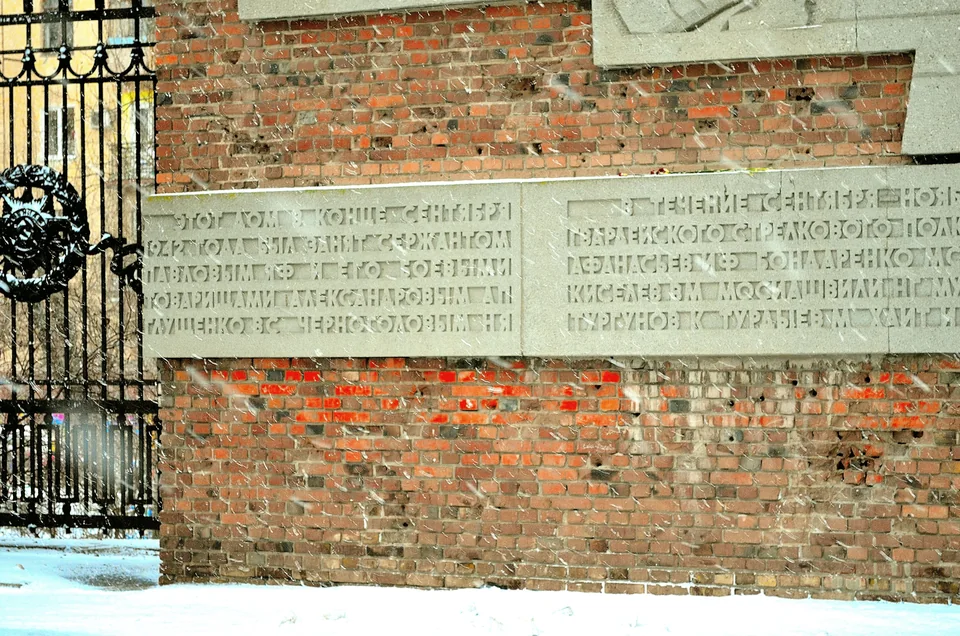
Image credit
YakovLew / Wikimedia Commons · Source · CC BY-SA 4.0 · Resized and converted to WebP. Embedded metadata removed. This version is available under the same licence.
September 1942–1943 and after
Pavlov’s House
A defended apartment building became a symbol of Stalingrad. Its soldiers, sheltered civilians and postwar reconstruction tell a more complicated story.


1943
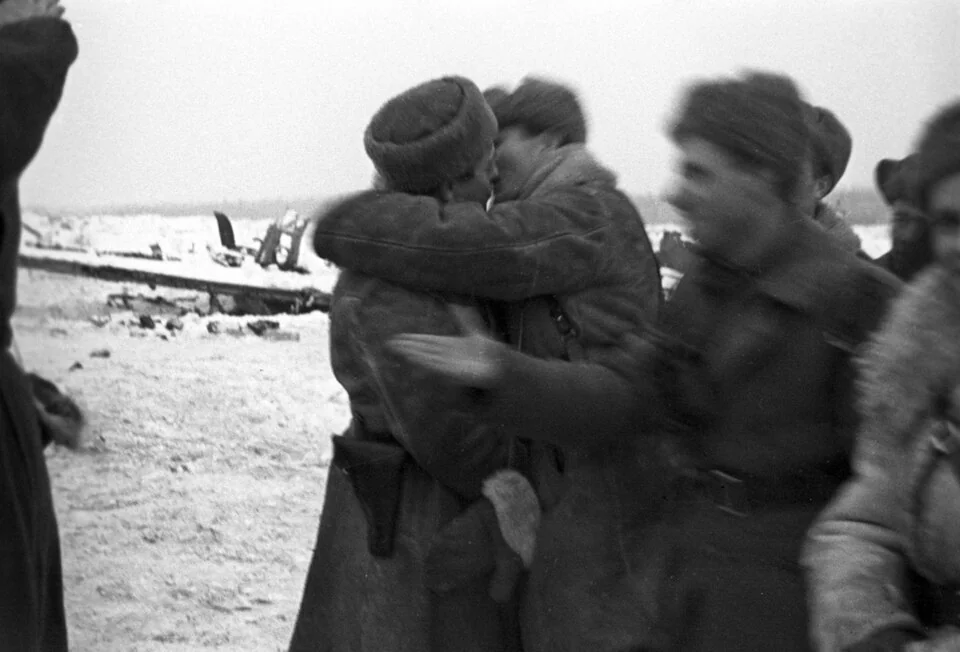
Image credit
Dmitriy Kozlov · RIA Novosti archive · 602484 · Joining of Leningrad and Volkhov Fronts · Source · CC BY-SA 3.0 · Resized and converted to WebP. Web derivatives retain the same licence.
January 1943
The Frozen Apple
Nikolai Nikulin remembers a frozen apple from his family as his unit waits for the offensive south of Lake Ladoga.
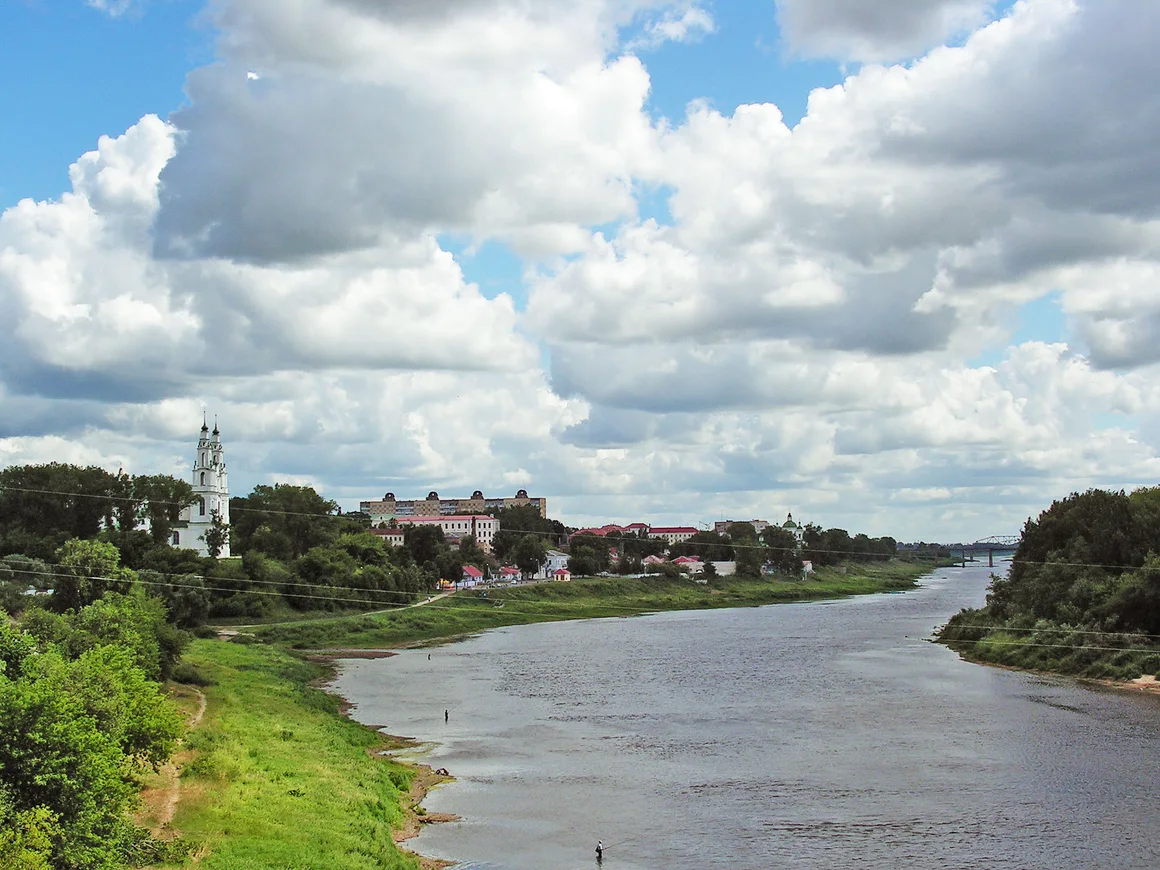
Image credit
Andrey Schelkunov · Wikimedia Commons · CC BY-SA 3.0 · Source · CC BY-SA 3.0 · Resized and converted to WebP; embedded metadata removed. No crop or enlargement. These derivatives remain available under CC BY-SA 3.0.
February 1943–May 1944
Learning to Write Again
After losing her hands and feet, Red Army medic Zinaida Tusnolobova learns to write again and resumes a life of correspondence and care.
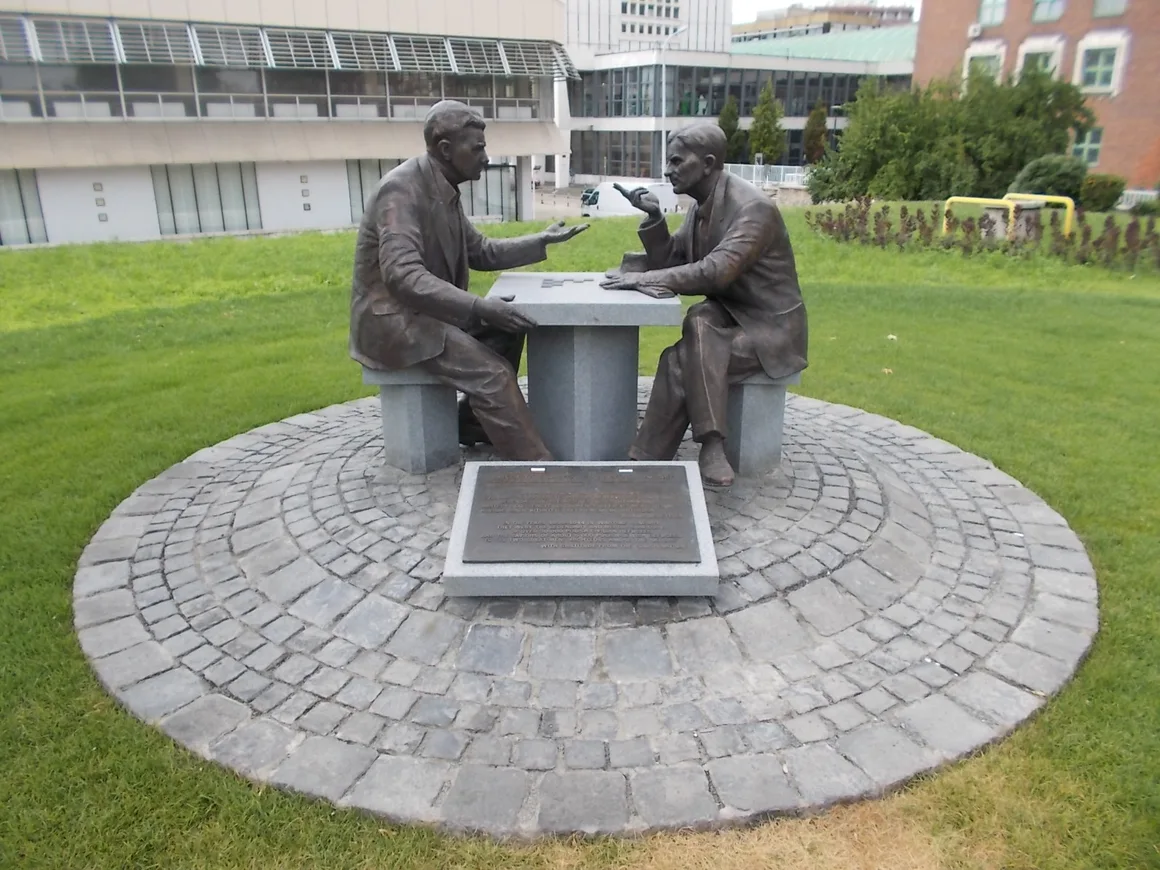
Image credit
Globetrotter19 / Wikimedia Commons, CC BY-SA 3.0. Sculpture by Władysław Dudek, 2017. · Source · CC BY-SA 3.0 · Resized and converted to WebP; embedded metadata removed. Full composition retained without crop. These derivatives are available under CC BY-SA 3.0.
Spring 1943–1944
Prayers for the Visitors
At Vác, Jewish refugee children learn Catholic prayers to protect the identity of their school, while teachers preserve Jewish learning inside its walls.
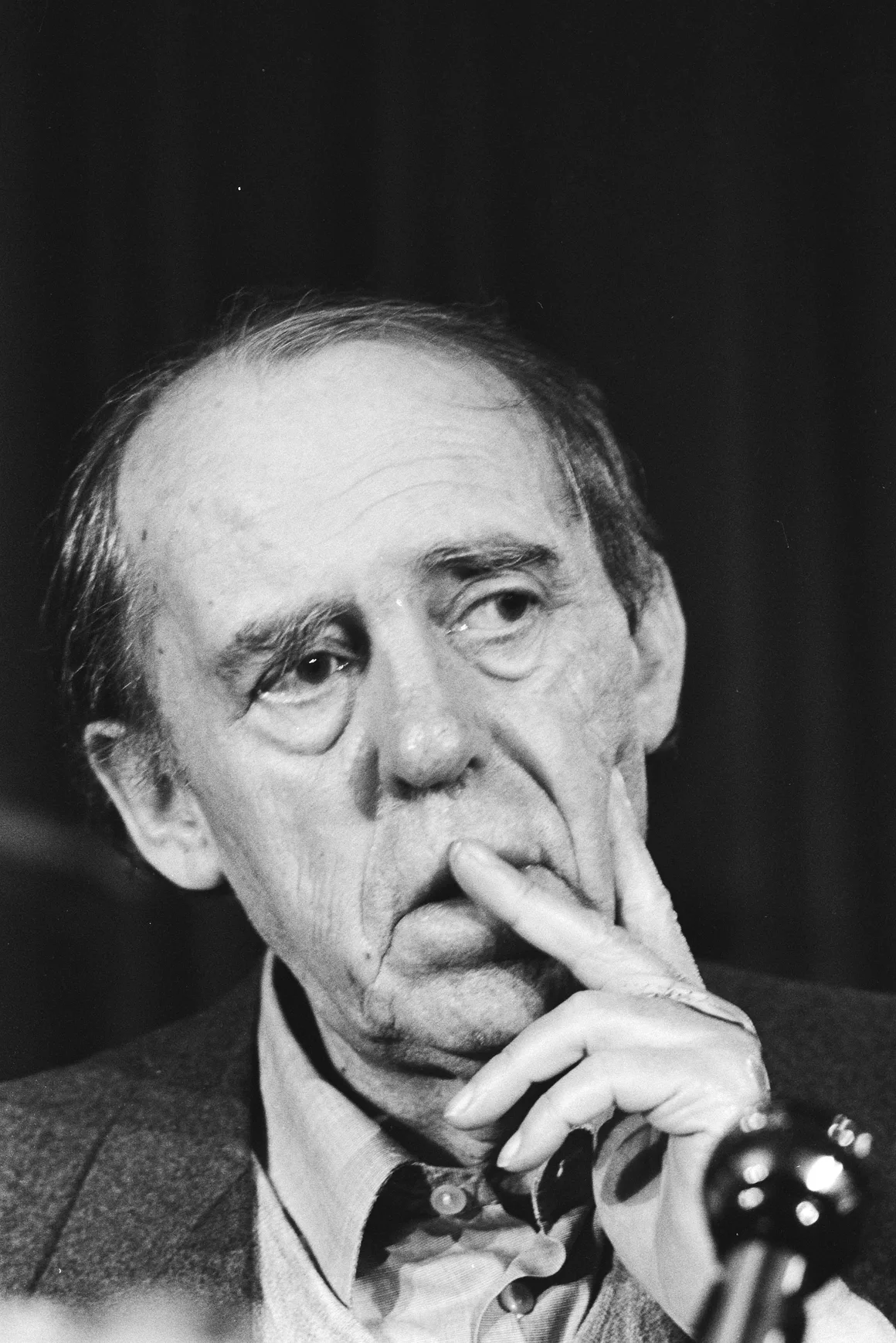
Image credit
Marcel Antonisse / Anefo · Nationaal Archief, 932-5455 · Nationaal Archief record · Source · CC0 1.0 · Resized and converted to WebP; embedded metadata removed. Full source composition retained, without crop.
October 1943–February 1944
The War He Had Imagined
Heinrich Böll’s letters and pocket diary follow a German infantryman from an imagined escape to the fear, loss and privileges of service in occupied Ukraine.


1944
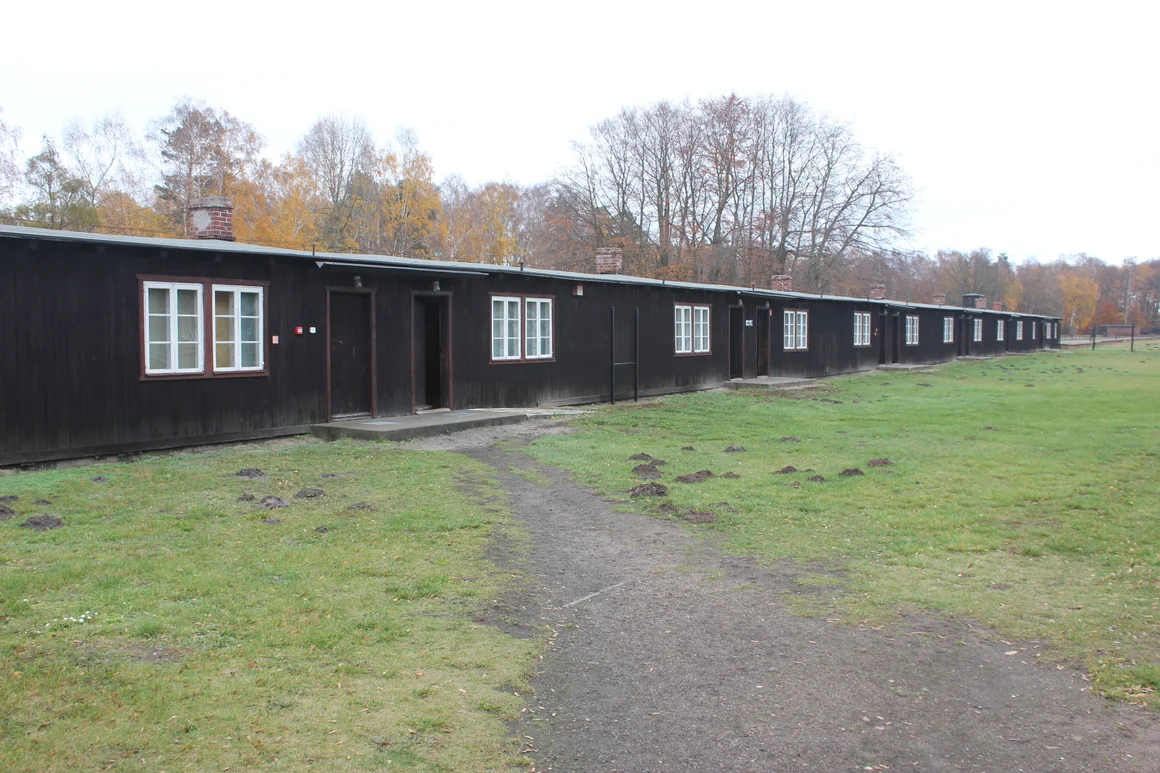
Image credit
Andrzej Otrębski / Wikimedia Commons · Source · CC BY-SA 4.0 · Resized and converted to WebP; embedded metadata removed. No crop or enlargement. These derivatives remain available under CC BY-SA 4.0.
1944–March 1945
Still Strong Enough to Work
Moved from Latvia to Stutthof in 1944, Masha Rolnikaite offers her dwindling strength for a chance to survive and preserves the words of people captivity takes away.
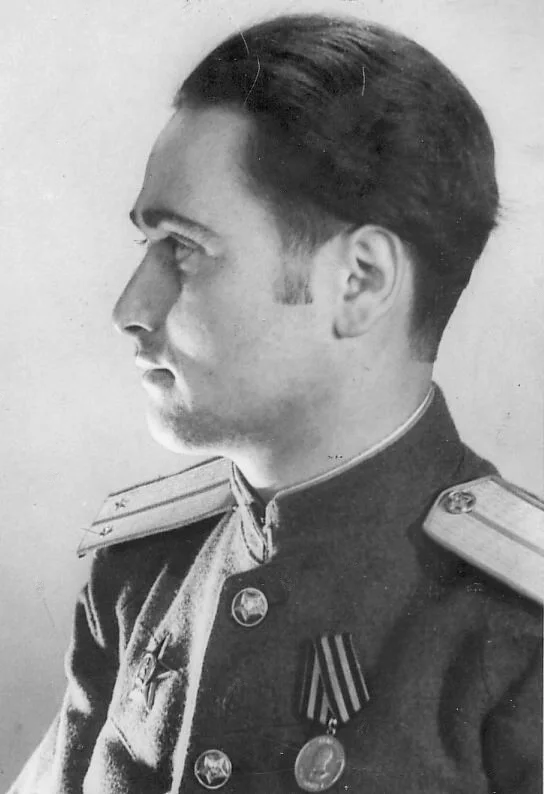
Image credit
Gelfand family archive / B8390 · Source · CC BY-SA 2.0 Germany · Resized and converted to WebP; embedded metadata removed. No crop or enlargement. These derivatives remain available under CC BY-SA 2.0 Germany.
January 1944
Writing Someone Else Home
In January 1944, Vladimir Gelfand writes letters for fellow Soviet soldiers while struggling to maintain his own connections with family and friends.
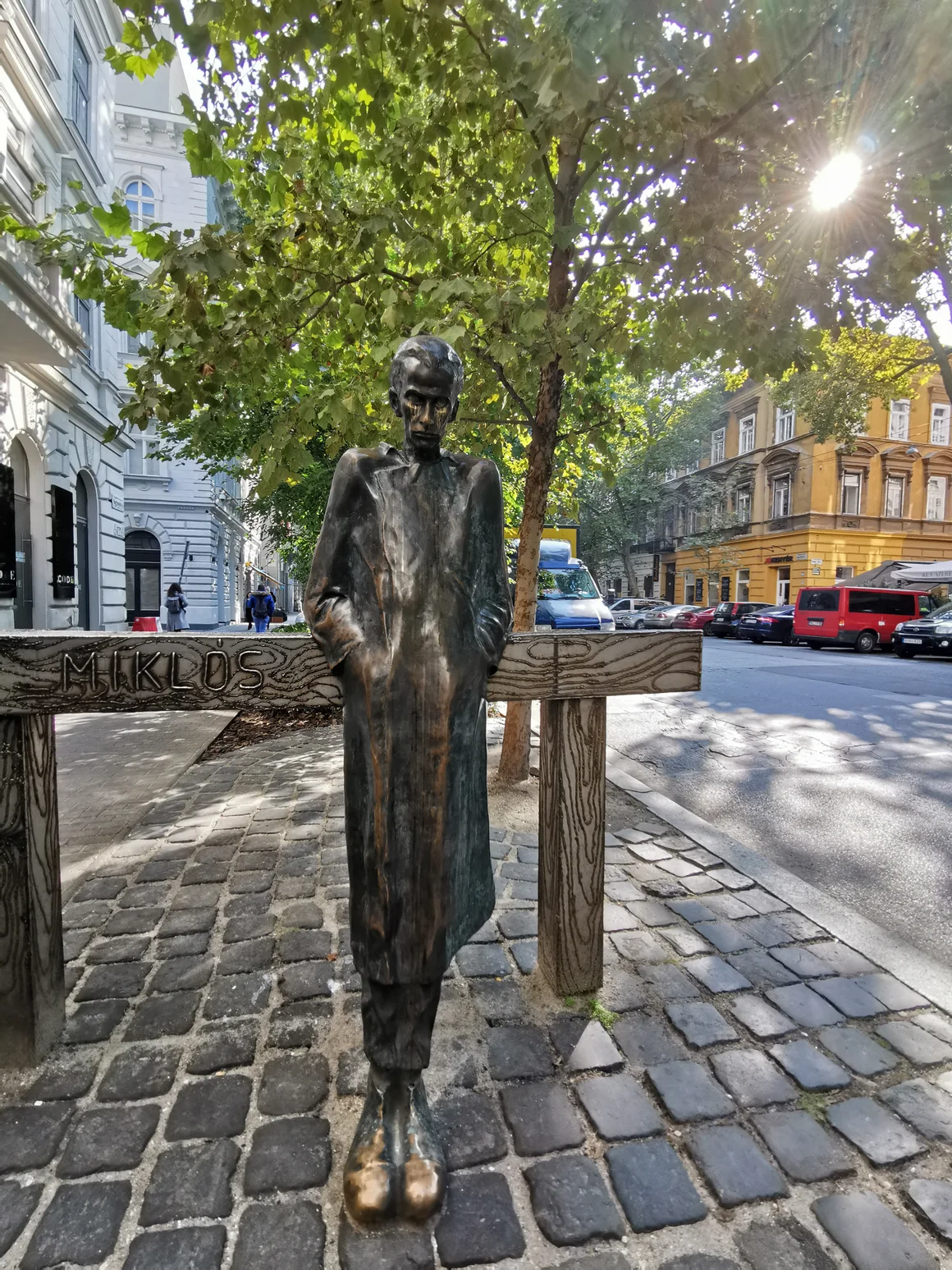
Image credit
Elekes Andor / Wikimedia Commons; sculpture by Imre Varga · Source · CC BY-SA 4.0 · Resized and converted to WebP; embedded metadata removed. No crop or enlargement. These derivatives remain available under CC BY-SA 4.0.
Summer–September 1944
The Poems Sent Ahead
At Bor, Miklós Radnóti copies poems for Sándor Szalai to carry home while keeping his own notebook; both sets of pages eventually reach Fanni Gyarmati.
Image credit
George Grantham Bain Collection · Library of Congress, Prints and Photographs Division · LC-DIG-ggbain-22020 · Library of Congress digital ID · Source · No known copyright restrictions · Library of Congress Bain Collection · Resized and converted to WebP. Embedded metadata removed.
July 27, 1944
Out Before Daylight
Leon Wells leaves the Kalwiński family’s hiding place as Soviet troops reach Lwów, carrying a record of Janowska and the people who kept him alive.


1945
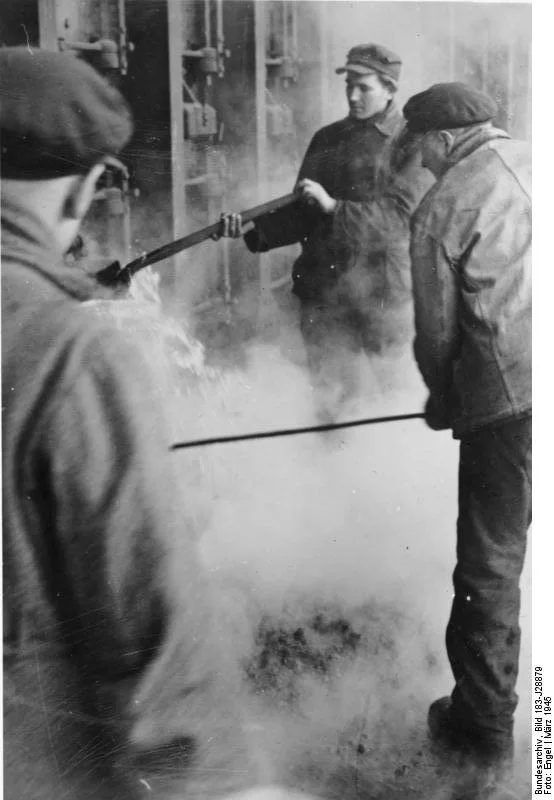
Image credit
Bundesarchiv, Bild 183-J28879 / Engel / CC BY-SA 3.0 DE · Source · CC BY-SA 3.0 DE · Resized and converted to WebP; embedded metadata removed. No crop or enlargement. These derivatives remain available under CC BY-SA 3.0 DE.
March 29–April 9, 1945
The Birthday They Postponed
Artillery observer Nikolai Inozemtsev plans to celebrate with Nikolai Safonov after Königsberg falls. His diary and letters record the losses that intervene.
April–May 1945
The Names Behind Uncle Emil
A May 1945 report names Ruth Andreas-Friedrich, Leo Borchard and the friends whose rooms, ration cards and forged papers helped persecuted people survive Berlin.

